


13 May What “Good Progress” Actually Looks Like in Swimming Lessons
When your child starts swimming lessons, it is completely natural to wonder how they are progressing. Many parents look for obvious signs such as swimming a full length, moving up stages quickly, or earning badges. While these milestones are exciting, they are only one part of what real swimming progress actually looks like.
Swimming is a complex skill for young children to learn. It combines confidence, breathing control, coordination, balance and body awareness all at once. Some children appear to progress quickly, while others build skills more gradually over time. Neither is necessarily better or worse.
At Brightwater Swim School, we often remind parents that strong swimmers are built through confidence and solid foundations, not by rushing through stages.
Confidence in the Water Is Progress
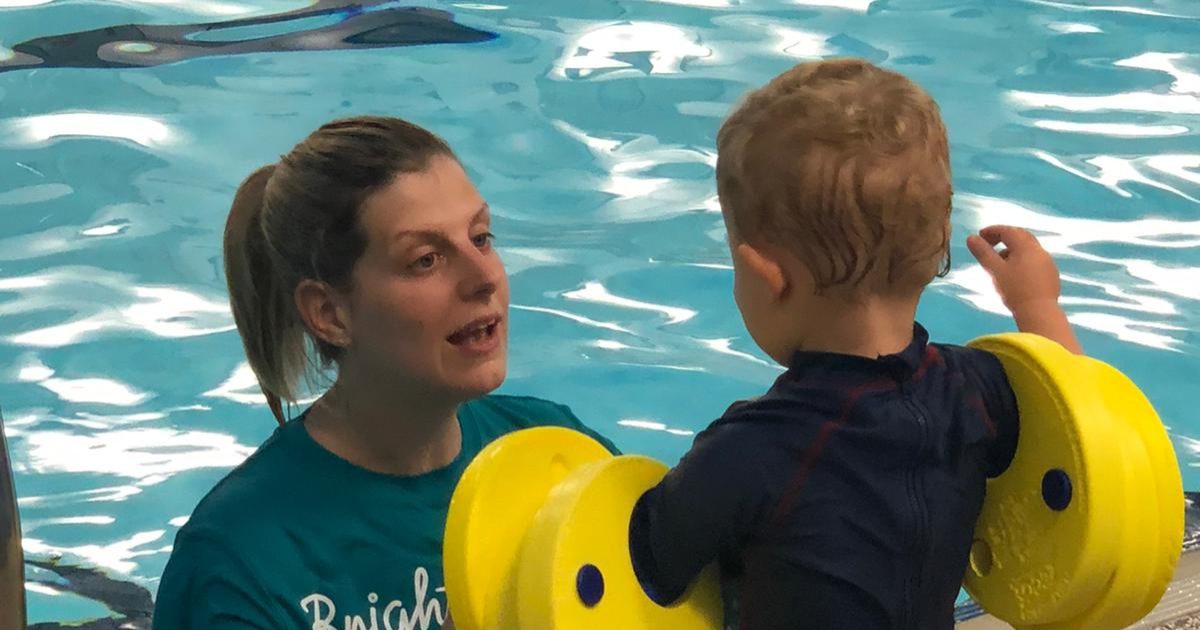
One of the biggest signs of progress in swimming lessons is confidence in the water. For some children, especially younger or more nervous swimmers, simply becoming more relaxed in lessons is a huge achievement.
Progress does not always look dramatic from the poolside. A child who happily enters the pool after previously feeling anxious has made progress. A swimmer who puts their face in the water for the first time, blows bubbles confidently, or lets go of the poolside independently is also progressing well.
These moments may seem small, but they are important building blocks. Children who feel calm and secure in the water are much more likely to develop strong swimming skills long term. Without confidence, swimming can become tense and far harder to learn.
Every child approaches water differently too. Some children naturally jump straight in, while others need time to build trust and confidence gradually. This is completely normal, and cautious children often become very capable swimmers once they feel comfortable in lessons.
Strong Foundations Matter More Than Fast Badges
It can feel frustrating if your child repeats skills or stays at the same stage for a while. However, repetition is a very important part of learning to swim properly.
Swimming is not simply about moving through water. Strong lessons focus on developing foundation skills such as floating, breathing control, body position and kicking technique. These are the skills children continue building on as they grow.
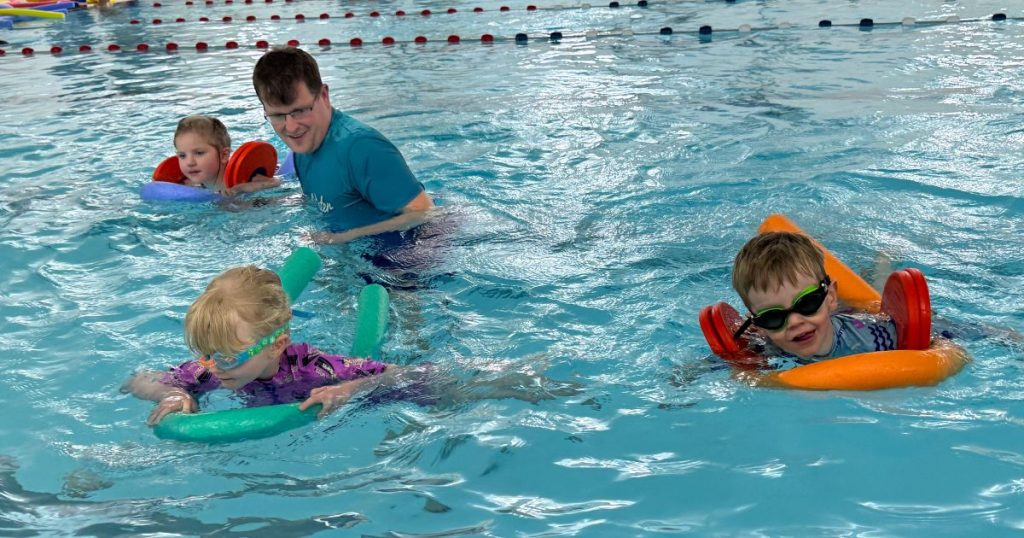
For example, learning to float calmly helps children feel safer and more balanced in the water. Breathing exercises such as blowing bubbles help children stay relaxed and develop better control while swimming. These skills may not always look impressive, but they are essential.
Moving children through stages too quickly can sometimes create weaker swimmers later on. By taking time to properly develop core skills, children are often more confident and capable as lessons become more advanced.
It is also important to remember that many children only attend one lesson each week. Swimming progress naturally develops gradually, and consistency is usually far more important than speed.
Progress Looks Different for Every Child
One of the hardest things for parents is avoiding comparisons with other children. It is easy to wonder why another child appears more confident or further ahead, but every child develops differently.
Personality, confidence levels, coordination and previous experiences around water can all affect progress. Some children improve steadily, while others seem to plateau before suddenly making a big leap forward.
Progress is not always physical either. A child who listens more carefully, joins in more activities, or becomes calmer during lessons is still making valuable progress.
At Brightwater Swim School, we encourage parents to focus on their child’s individual journey rather than comparing them to others. Celebrating smaller milestones often helps children build confidence and enjoy lessons more positively.
Final Thoughts
Good progress in swimming lessons is not always about swimming lengths or collecting badges quickly. Often, the most important progress happens quietly through confidence, trust and strong foundations.
A child becoming more comfortable in the water, floating more confidently, or simply enjoying lessons more each week are all genuine signs of progress.
Learning to swim is a long-term journey, and every child develops at their own pace. With patience, consistency and supportive teaching, children gradually build the skills and confidence needed to become safe and independent swimmers for life.
If you want to ask us any questions relating to anything mentioned in this article, you can get in touch with us via email: info@brightwaterswim.co.uk, via social media or use our contact form here.
No Comments