


15 Oct Why Making Mistakes Is an Important Part of Learning to Swim
When children begin learning to swim, it is natural for parents to hope to see progress from lesson to lesson. In reality, learning a new physical skill rarely follows a straight line. Children may forget a technique they performed confidently the previous week, struggle with a new movement or need several attempts before something clicks.
This is completely normal. In swimming lessons for children, mistakes provide valuable opportunities to learn, experiment and understand how the body moves through water. Rather than being a sign that a child is struggling, getting things wrong can be an important part of becoming a confident, capable swimmer.
Mistakes Help Children Understand What Works
Swimming involves coordinating many different movements at once. A child must think about their body position, breathing, arms and legs, while becoming comfortable in an unfamiliar environment. It takes time for these individual skills to come together.
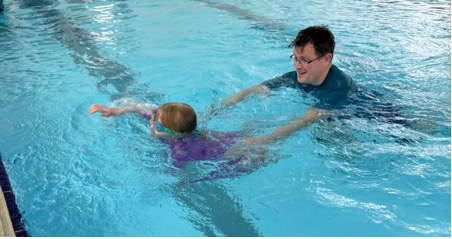
Making mistakes helps children recognise the difference between movements that work effectively and those that do not. They might lift their head too high and notice their legs begin to sink, bend their knees too much when kicking or find it difficult to coordinate their arms with their breathing.
With guidance and repetition, children can adjust these movements and experience how the correct technique feels. Over time, movements that once required concentration begin to become second nature.
Learning to Get Things Wrong Builds Confidence
Mistakes aren’t only useful for developing swimming technique. They can also help children become more confident learners.
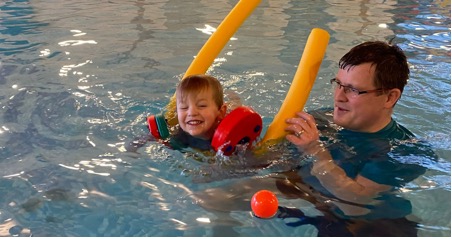
A supportive swimming environment gives children the freedom to try something without worrying about getting it right immediately. This can be particularly important for nervous swimmers. Putting their face in the water, floating without support or swimming away from the poolside can feel challenging.
When children discover that it is okay to try, make a mistake and try again, they can become more willing to tackle unfamiliar skills. Small successes following previous difficulties can be rewarding and help children recognise their own progress.
How We Turn Mistakes Into Progress
One of the benefits of structured swimming lessons for children is having an experienced teacher who can identify where a child needs support and help them make adjustments.
Rather than simply pointing out that something is wrong, instructors can demonstrate a movement, break a skill into smaller stages or use games and activities to practise it in an engaging way. Repetition then gives children opportunities to experiment and improve without feeling under pressure.
Smaller classes can be particularly valuable because instructors have greater opportunity to observe individual swimmers. They can recognise when a child needs encouragement, a different explanation or more time to practise before progressing.
Final Thoughts
Every child learns at a different pace. Some skills may develop quickly, while others take weeks or months of practice. Children can also have lessons where they appear less confident than they were previously.
For parents, it is helpful to look at progress over time rather than judging an individual lesson. Avoiding comparisons with other swimmers can also allow children to develop at a pace that is right for them.
At Brightwater Swim School, our swimming lessons for children in Harrogate, York, Cundall & Topcliffe provide a supportive environment where children can develop their skills and confidence from an early age. Mistakes are not something to fear or avoid. Each imperfect kick, missed movement and hesitant attempt can provide another opportunity to learn and another positive step towards becoming a safe, confident and independent swimmer.
If you’re looking for a swim school for your child, you can get in touch with us via email: info@brightwaterswim.co.uk, via social media or use our contact form here.
No Comments