


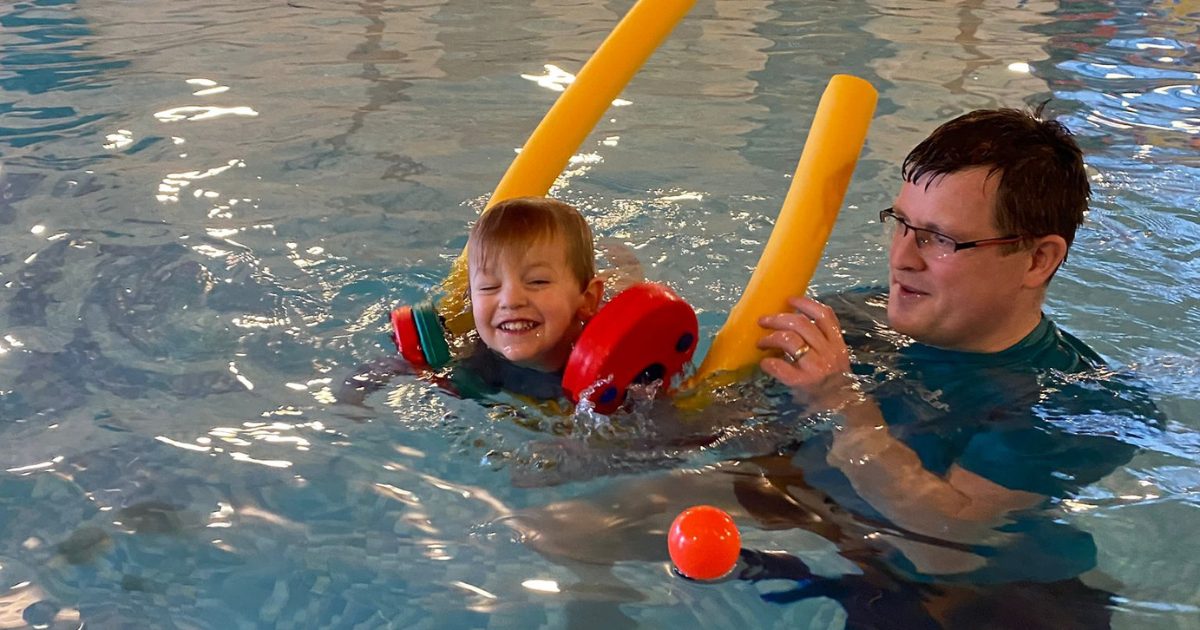
20 Nov Why Your Child Might Swim Differently With You Than With Their Instructor
You watch your child confidently float, kick and put their face in the water during swimming lessons. Yet when you visit the pool together, they cling to you or refuse to try the same activities. It can be confusing, especially when you know what they are capable of achieving. However, this difference is common. Children respond to different people and environments in different ways, and understanding why can make helping your child learn to swim a more positive experience.
Different Relationships Create Different Behaviours
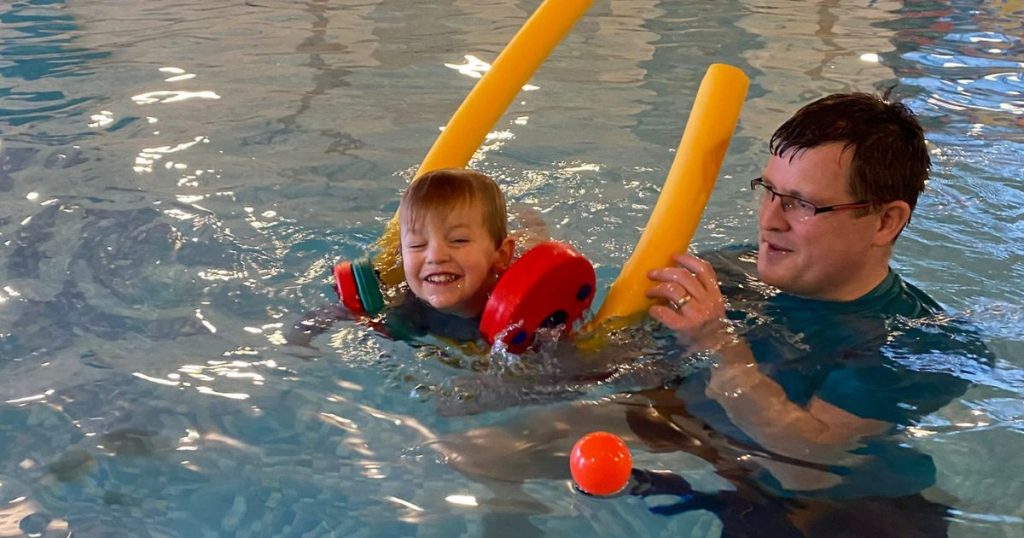
Parents and swimming instructors play different roles in a child’s life. With you, your child may feel comfortable asking for extra reassurance, holding your hand or avoiding something they find challenging. This does not necessarily mean they lack confidence. In fact, feeling secure enough to express uncertainty is a sign of trust.
An instructor, meanwhile, is someone your child associates with learning new skills. Through regular lessons, children become familiar with listening to instructions, taking turns and trying activities independently. They may therefore approach the same task differently when an instructor asks them to attempt it.
Children also respond to expectations. If they know you will quickly offer a helping hand, they may wait for that support, even when they can manage without it. Neither response is wrong; both reflect the relationship and situation.
Why Structure, Routine and Independence Matter
Swimming lessons provide a predictable environment. Children often know where to stand, when to listen and what activity comes next. This familiarity can reduce uncertainty and make it easier to concentrate on a particular skill.
Instructors also introduce challenges gradually. A child might practise blowing bubbles before putting their whole face underwater, or develop balance with support before floating independently. Each activity builds on previous experience, allowing confidence and ability to develop together.
Family swimming sessions usually have a different purpose. Your child might want to splash, play games or simply enjoy spending time with you. Without the familiar lesson routine, they may not feel motivated to demonstrate their latest swimming skills.
This does not make family swimming any less valuable. Enjoyable experiences in the water can reinforce confidence, familiarity and positive associations with swimming.
How Parents Can Support a Child’s Swimming Progress
When helping your child learn to swim, try to see family pool visits as opportunities for enjoyment rather than tests of progress. Instead of asking your child to repeat everything they did during their lesson, ask them to show you something they particularly enjoyed.

Keep requests relaxed and give them choices. They might prefer practising bubbles together before attempting a float or playing a simple game that involves moving through the water. Celebrate willingness to try, rather than focusing only on whether a skill is completed perfectly.
Avoid comparing their behaviour with what you see during lessons. Comments about what they can do with their instructor may unintentionally create pressure. Instead, acknowledge their feelings and allow confidence to grow at their own pace.
Final Thoughts
Swimming differently with a parent and an instructor is not necessarily a setback. It often reflects different expectations, routines and relationships. Structured lessons and relaxed family swims can complement one another, giving children opportunities both to practise skills and enjoy the water.
At Brightwater Swim School, our swimming lessons in Harrogate, York, Cundall and Topcliffe support children as they build confidence and independence. Every small step contributes to their longer-term progress. By working alongside instructors and keeping family swimming positive, you can help your child develop a lasting enjoyment of swimming.
If you’re looking for a swim school for your child, you can get in touch with us via email: info@brightwaterswim.co.uk, via social media or use our contact form here.
No Comments