



18 Jun The Difference Between Water Confidence and Being Water Safe
Many parents naturally feel reassured once their child can swim a short distance or happily jump into the pool without fear. However, there is a big difference between being confident in the water and being water safe. While water confidence is an important part of learning to swim, it does not always mean a child has the skills needed to stay calm and safe if something unexpected happens.
Developing real water safety takes time, practice, and the right swimming instruction. In this blog, we’ll explain the difference between water confidence and water safety, and why ongoing swimming lessons can play such an important role in helping children become safer swimmers for life.
What Does Water Confidence Mean?
Water confidence is usually the first stage of a child’s swimming journey. It describes how comfortable and relaxed they feel in the water. A water confident child may happily splash around, put their face underwater, jump in, or swim short distances with little hesitation.
Building confidence is extremely important, especially for younger children or those who may initially feel nervous around water. Children who feel safe and comfortable during lessons are often more willing to try new skills and enjoy learning to swim.
However, confidence can sometimes give a false sense of security. A child may appear very capable in a familiar swimming pool environment but still struggle if they become tired, lose their footing, or enter deeper or unfamiliar water. This is why confidence alone should never be mistaken for full water safety.
What Does It Mean to Be Water Safe?
Being water safe involves much more than simply swimming a width or knowing a few strokes. It means having the skills, awareness, and control needed to handle different situations in the water safely and calmly.
A water safe child is more likely to know how to float if they become tired, control their breathing, tread water, and stay calm rather than panic. They also begin to understand important safety behaviours around pools and open water environments.
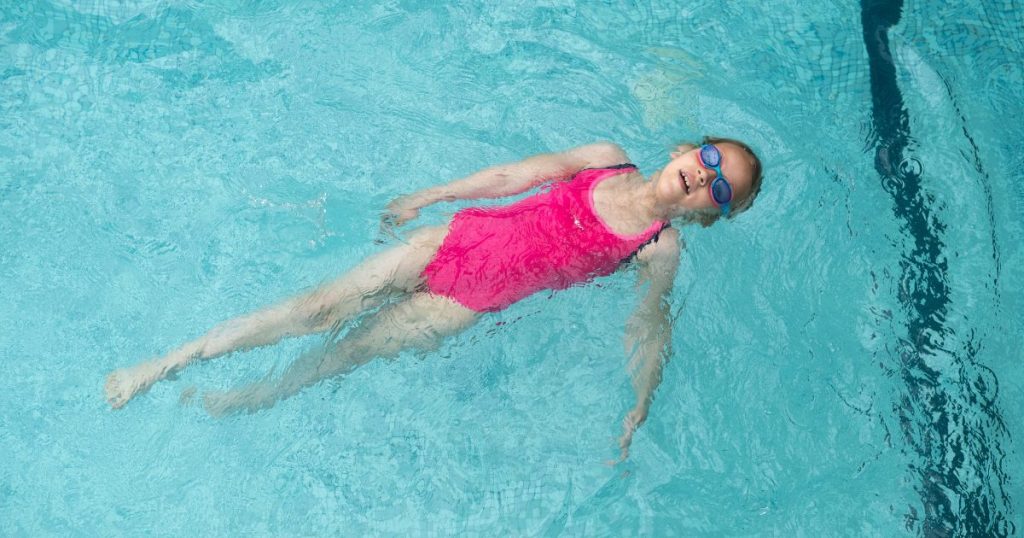
Swimming lessons help children gradually build these skills over time through repetition, technique development, and guided practice. Smaller class sizes and supportive teaching can also make a big difference, allowing instructors to focus more closely on each child’s individual progress and confidence levels.
True water safety is not achieved overnight. Like any life skill, it develops step by step as children gain more experience and become stronger, more capable swimmers.
Why Ongoing Swimming Lessons Matter
Many parents stop swimming lessons once their child can swim a short distance independently. However, learning to swim properly is a long-term process that continues far beyond the basics.
Regular lessons help children improve stamina, strengthen technique, and become more confident in different situations. Over time, they learn how to react more calmly in the water and develop safer habits that can stay with them throughout life.
Consistent swimming lessons can also help children become more adaptable swimmers. Every pool and environment feels slightly different, and continued practice helps children feel more comfortable handling new situations with confidence and control.
For younger swimmers especially, ongoing lessons provide structure, routine, and gradual progression at a pace that suits their ability. This can be particularly beneficial for children who may feel overwhelmed in larger group lessons where individual attention is more limited.
Final Thoughts
Water confidence is an excellent starting point, but it is only one part of becoming truly water safe. A child who enjoys the water still needs the skills and understanding to stay calm, react safely, and manage different situations confidently.
Swimming lessons are about far more than learning strokes or earning badges. They help children build lifelong safety skills that can protect them both in and around water. By continuing lessons and supporting gradual progression, parents can help their children become not just confident swimmers, but safer and more capable swimmers too.
If you want to ask us any questions relating to anything mentioned in this article, you can get in touch with us via email: info@brightwaterswim.co.uk, via social media or use our contact form here.
No Comments